
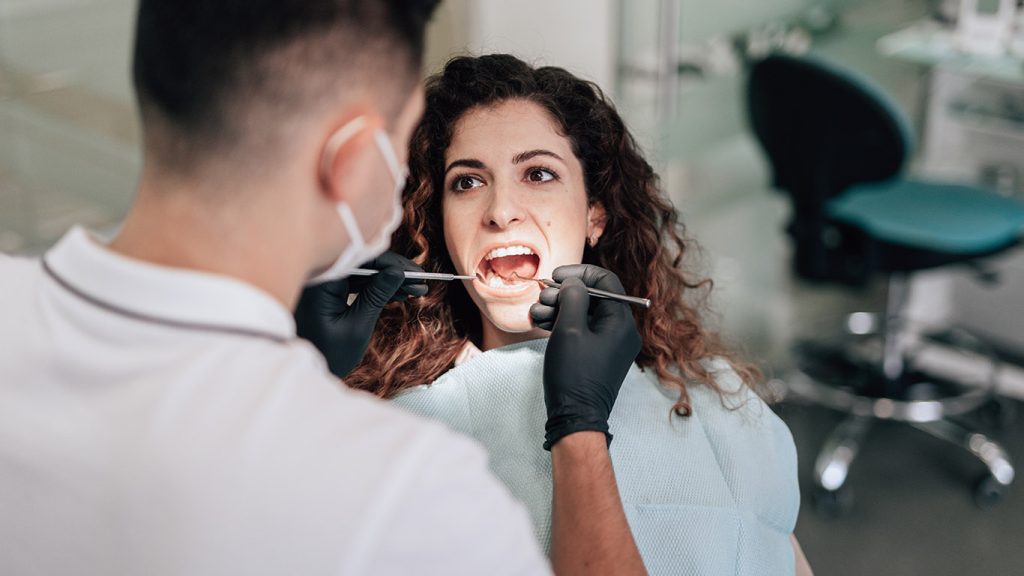
Missing teeth can affect more than your smile. They may make chewing difficult, affect speech, and reduce confidence in everyday situations. Dental implants are one option for replacing missing teeth, helping restore dental function and create a natural-looking smile.
At Align Artistry by Dr. Krunal, we believe understanding your treatment options is an important step towards maintaining good oral health. Let’s explore the benefits of dental implants and how they can help restore your smile.
What Are Dental Implants?
Dental implants are small posts, usually made from titanium, that are placed in the jawbone to support replacement teeth. As the area heals, the implant can integrate with the surrounding bone. A replacement tooth, such as a crown, can then be attached to restore the appearance and function of the missing tooth.
Dental implants may be used to replace a single tooth, several missing teeth, or to support a full set of replacement teeth, depending on the treatment plan.
6 Key Benefits of Dental Implants
1. Improved Chewing and Eating
Missing teeth can make it difficult to bite and chew certain foods comfortably. Dental implants can provide stable support for replacement teeth, helping many patients eat more comfortably once treatment and healing are complete.
Your dentist can advise you about the foods to eat during recovery and when you can gradually return to your usual diet.
2. A Natural-Looking Smile
Dental implants can support crowns designed to complement the colour, shape, and size of your natural teeth. When carefully planned, the replacement tooth can blend with your existing smile.
This can help restore the appearance of your teeth and make you feel more comfortable when smiling, speaking, and meeting others.
3. Support for Jawbone Health
When a tooth is lost, the jawbone in that area may gradually shrink because it no longer receives the same stimulation from chewing. An implant transfers forces to the surrounding bone and can help reduce bone loss in the area where it is placed.
However, the outcome depends on factors such as bone health, oral hygiene, and the success of the implant treatment.
4. Better Stability Than Removable Options
Unlike removable dentures, dental implants are anchored in the jawbone. This can provide a stable foundation for replacement teeth and reduce concerns about movement during eating or speaking.
Implants can also be used to support certain types of dentures, helping improve their stability. The best option depends on the number of missing teeth and your individual oral health needs.
5. Clearer and More Comfortable Speech
Missing teeth or loose-fitting dentures can sometimes affect speech. Implant-supported replacement teeth may help improve comfort and stability when speaking.
The results vary depending on the position of the missing teeth, the type of replacement, and the individual’s adjustment to treatment.
6. A Long-Term Tooth Replacement Option
With proper care and regular dental check-ups, dental implants can last for many years. Their longevity depends on factors such as oral hygiene, gum health, general health, smoking habits, and regular professional maintenance.
Although the implant itself may remain stable, the crown or other replacement components may need repair or replacement over time.
Who Is a Suitable Candidate for Dental Implants?
Dental implants may be suitable for adults who have one or more missing teeth and want a fixed replacement option. Your dentist will assess several factors before recommending treatment, including:
-
The health of your gums and remaining teeth.
-
The amount and quality of your jawbone.
-
Your general health and medical history.
-
Your oral hygiene habits.
-
Your expectations and preferred treatment options.
Some patients may need additional treatment, such as bone grafting or gum care, before implant placement. A dental examination and appropriate imaging can help determine whether implants are suitable for you.
What Does the Dental Implant Procedure Involve?
The treatment process varies from person to person, but it generally includes the following stages.
Step 1: Consultation and Assessment
Your dentist examines your mouth, reviews your dental and medical history, and may recommend dental X-rays or other imaging to assess the jawbone and plan treatment.
Step 2: Implant Placement
The implant is placed in the jawbone through a dental procedure. The area is then allowed to heal according to your dentist’s instructions.
Step 3: Healing and Integration
Over time, the implant may integrate with the surrounding bone. The length of this healing period depends on your individual circumstances and treatment plan.
Step 4: Attaching the Replacement Tooth
Once the implant is ready, a suitable replacement tooth or restoration is attached. Your dentist checks the fit, appearance, and bite to help ensure comfort and function.
How to Care for Dental Implants
Good daily care is essential for maintaining dental implants and protecting the surrounding gums.
-
Brush twice daily using a fluoride toothpaste.
-
Clean between your teeth and around the implant with suitable interdental aids.
-
Attend regular dental check-ups and professional cleaning appointments.
-
Avoid smoking, which can increase the risk of implant complications.
-
Contact your dentist if you notice pain, swelling, bleeding, or movement around the implant.
Dental implants require ongoing care, just like natural teeth. Your dentist can recommend a cleaning routine suited to your restoration.
Are Dental Implants the Right Choice for You?
Dental implants offer several potential benefits, but they are not the only way to replace missing teeth. Depending on your needs, alternatives may include dental bridges or removable dentures.
Each option has its own advantages, limitations, treatment requirements, and costs. Discussing these choices with your dentist can help you make an informed decision based on your oral health, lifestyle, and budget.
Restore Your Smile with Personalised Dental Care
Replacing missing teeth can help improve chewing, appearance, and everyday comfort. Dental implants may be a suitable option for some patients, but the right treatment begins with a professional assessment.
At Align Artistry by Dr. Krunal, we encourage patients to explore their options and understand the benefits and considerations of each treatment.
Ready to discuss your options for replacing missing teeth? Contact Align Artistry by Dr. Krunal to arrange a consultation and take the next step towards a healthier, more confident smile.
Disclaimer: This article is for general information only and is not a substitute for professional dental advice, diagnosis, or treatment.