
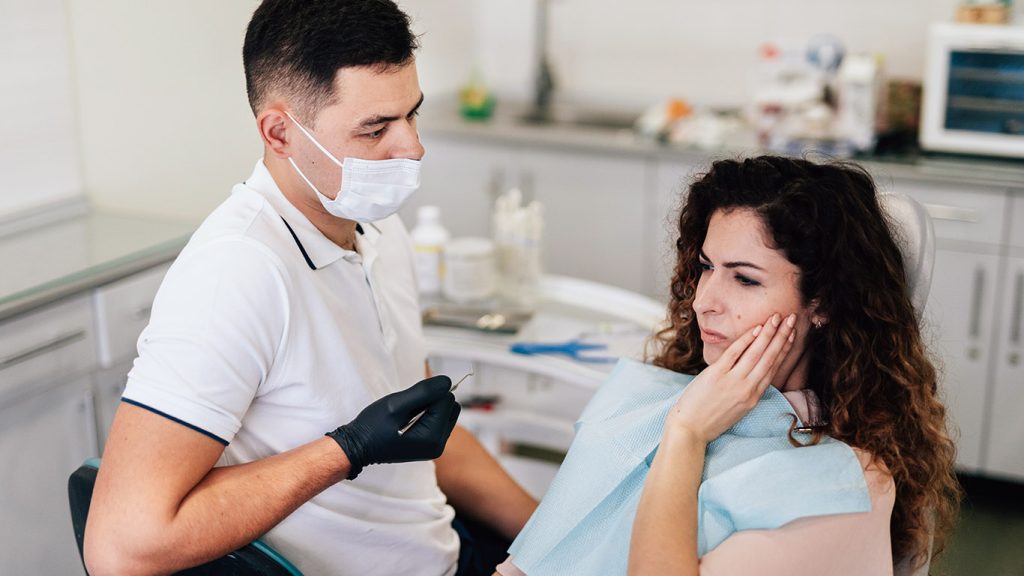
Do you feel a sudden sharp pain in your teeth when drinking cold water, enjoying hot tea, or eating something sweet? You may be experiencing tooth sensitivity. This common dental problem can make everyday activities uncomfortable, but understanding its causes can help you find the right solution.
At Align Artistry by Dr. Krunal, we believe that understanding your oral health is an important step towards maintaining a healthy, comfortable smile. In this blog, we explore the causes of sensitive teeth, available treatments, and simple ways to help prevent discomfort.
What Is Tooth Sensitivity?
Tooth sensitivity, also known as dentin hypersensitivity, occurs when the inner layer of a tooth becomes exposed to external triggers. This layer, called dentin, contains tiny channels that connect towards the nerve inside the tooth.
When dentin is exposed, hot, cold, sweet, or acidic foods and drinks may trigger a short, sharp sensation of pain.
Sensitivity can affect one tooth or several teeth. If the discomfort is frequent, severe, or persistent, a dental examination can help identify the underlying cause.
Common Causes of Tooth Sensitivity
Several factors can contribute to sensitive teeth.
1. Worn Tooth Enamel
Enamel protects the inner layers of your teeth. Brushing too hard, using an abrasive toothpaste, or frequently consuming acidic foods and drinks can contribute to enamel wear. When enamel becomes thinner, teeth may become more sensitive.
2. Gum Recession
When gums move away from the teeth, the roots may become exposed. Unlike the crown of a tooth, the root surface does not have the same protective enamel layer, making it more vulnerable to sensitivity.
3. Tooth Decay and Cavities
Cavities can expose the inner layers of a tooth and cause sensitivity to hot, cold, or sweet foods. A dentist can determine whether a cavity or another dental problem is responsible.
4. Cracked or Damaged Teeth
A cracked, chipped, or damaged tooth may cause discomfort when chewing or when exposed to temperature changes. This type of sensitivity should be checked by a dentist.
5. Teeth Grinding
Grinding or clenching your teeth can wear down enamel and place pressure on the teeth. Over time, this may contribute to sensitivity, jaw discomfort, or other dental problems.
6. Recent Dental Treatments
Some people experience temporary sensitivity after professional teeth whitening, dental cleaning, fillings, or other dental procedures. If sensitivity is severe, continues longer than expected, or gets worse, contact your dentist.
Common Symptoms of Sensitive Teeth
Tooth sensitivity may cause:
-
Sharp discomfort when eating or drinking something hot or cold.
-
Pain when consuming sweet or acidic foods.
-
Sensitivity while brushing or flossing.
-
Discomfort when breathing in cold air.
-
Pain when chewing, especially if a tooth is cracked or damaged.
These symptoms can have different causes. Persistent or localised pain should not be ignored, as it may indicate a condition that needs treatment.
How Is Tooth Sensitivity Treated?
The right treatment depends on what is causing the sensitivity. Your dentist can examine your teeth and gums before recommending a suitable solution.
1. Desensitising Toothpaste
Toothpaste designed for sensitive teeth can help reduce discomfort when used regularly as directed. Some ingredients help block the pathways that transmit sensitivity, while others help reduce the nerve’s response to triggers.
2. Fluoride Treatment
Your dentist may recommend professional fluoride treatment to strengthen enamel and help protect vulnerable tooth surfaces.
3. Dental Bonding or Protective Materials
If the sensitivity is caused by exposed roots or worn tooth surfaces, your dentist may recommend bonding or another protective material to cover the affected area.
4. Treatment for Cavities or Damaged Teeth
If decay, a crack, or another dental problem is causing sensitivity, the tooth may require a filling or other appropriate treatment. The recommended procedure depends on the condition of the tooth.
5. Treatment for Gum Problems
If gum recession or gum disease is contributing to sensitivity, your dentist can recommend suitable care to protect your gums and maintain oral health.
6. A Night Guard for Teeth Grinding
If you grind or clench your teeth during sleep, your dentist may recommend a custom-fitted night guard to help protect your teeth from further wear.
How to Prevent Tooth Sensitivity
Simple daily habits can help reduce the risk of sensitivity and protect your teeth.
-
Use a soft-bristled toothbrush: Brush gently using small, controlled movements instead of scrubbing hard.
-
Choose fluoride toothpaste: Brush twice daily with fluoride toothpaste to help strengthen enamel and prevent cavities.
-
Try toothpaste for sensitive teeth: If needed, use a desensitising toothpaste according to its instructions.
-
Limit acidic foods and drinks: Frequent exposure to acidic products can contribute to enamel erosion.
-
Avoid brushing immediately after acidic foods: Rinse your mouth with water and wait around 30–60 minutes before brushing.
-
Clean between your teeth daily: Use dental floss or suitable interdental cleaners to help maintain gum health.
-
Attend regular dental check-ups: Routine examinations help identify problems before they become more serious.
When Should You Visit a Dentist?
Occasional mild sensitivity may improve with appropriate oral care, but ongoing pain should be assessed by a dental professional.
Arrange a dental appointment if your sensitivity is persistent, worsening, limited to one tooth, or associated with pain while chewing. Swelling, fever, or severe pain requires prompt dental attention. If you have difficulty swallowing or breathing due to facial or mouth swelling, seek emergency medical care.
Early assessment can help identify the cause and prevent a small dental problem from becoming more serious.
Enjoy a More Comfortable, Healthy Smile
Tooth sensitivity can affect your daily comfort, but the right care can often help manage it. Using a soft toothbrush, maintaining good oral hygiene, choosing suitable toothpaste, and seeking professional advice when needed can help protect your teeth.
At Align Artistry by Dr. Krunal, we focus on personalised dental care and helping patients understand their treatment options. If sensitive teeth are affecting your everyday life, book a dental consultation to discuss the cause and find an appropriate treatment plan.