
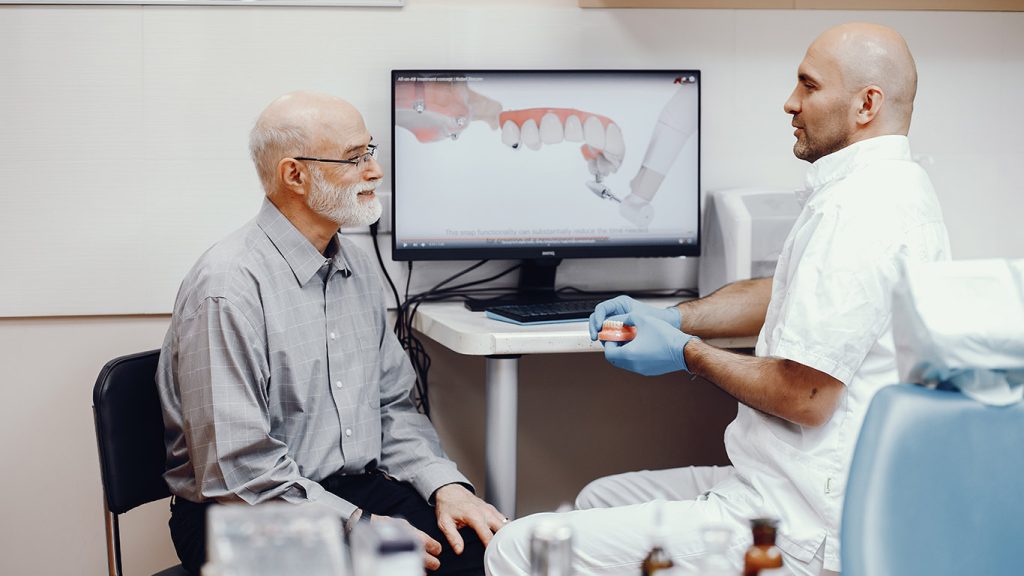
Maintaining good oral health is important at every stage of life. As we grow older, changes in our teeth, gums, and general health can create new challenges for keeping our mouths healthy. Dry mouth, gum problems, tooth wear, and an increased risk of tooth decay may affect some older adults.
The good news is that with proper daily care, healthy habits, and regular dental check-ups, seniors can protect their natural teeth, maintain comfortable eating, and enjoy a confident smile.
At Align Artistry by Dr. Krunal, we believe that personalised dental care and preventive habits play an important role in maintaining oral health throughout life.
Why Is Oral Health Important for Seniors?
Healthy teeth and gums help us chew food comfortably, speak clearly, and maintain confidence in everyday life. Oral health can also affect food choices and overall quality of life.
As people age, they may experience changes that require additional attention, including gum recession, worn enamel, dry mouth, and difficulties cleaning their teeth due to reduced mobility or dexterity.
Regular dental care can help identify these concerns early and support a healthier mouth.
Common Oral Health Problems in Older Adults
1. Gum Disease
Gum disease occurs when plaque builds up around the teeth and irritates the gums. Early signs may include redness, swelling, tenderness, or bleeding during brushing.
If left untreated, advanced gum disease can damage the tissues and bone supporting the teeth and may lead to tooth loss.
Prevention tips:
-
Brush twice daily with fluoride toothpaste.
-
Clean between your teeth every day.
-
Attend regular dental check-ups.
-
Seek dental advice if your gums bleed or become swollen.
2. Tooth Decay
Older adults can develop cavities around the roots of their teeth, particularly when gums have receded and exposed root surfaces. Existing dental fillings and crowns may also require monitoring.
Prevention tips:
-
Use fluoride toothpaste regularly.
-
Limit frequent sugary snacks and drinks.
-
Drink water throughout the day.
-
Ask your dentist whether additional fluoride protection is appropriate for you.
3. Dry Mouth
Dry mouth occurs when there is not enough saliva to keep the mouth comfortably moist. It can become more common with age, particularly because some medicines and health conditions reduce saliva production.
Saliva helps protect teeth, support swallowing, and maintain comfort. A persistently dry mouth can increase the risk of tooth decay and oral discomfort.
Prevention tips:
-
Sip water regularly.
-
Ask your dentist or doctor about sugar-free products designed to relieve dry mouth.
-
Avoid tobacco and limit alcohol if these contribute to dryness.
-
Discuss persistent symptoms or possible medication side effects with your healthcare professional. Do not stop prescribed medication without medical advice.
4. Tooth Wear and Sensitivity
Years of chewing, brushing too forcefully, and grinding can contribute to tooth wear. Exposed root surfaces or weakened enamel may also cause sensitivity to hot, cold, or sweet foods.
Use a soft-bristled toothbrush and gentle brushing movements. If sensitivity continues, consult your dentist to identify the cause and discuss suitable treatment.
5. Challenges with Dentures
Dentures can help replace missing teeth, but their fit may change over time as the shape of the gums and jawbone changes. Poorly fitting dentures may cause soreness, difficulty chewing, or irritation.
Clean dentures daily according to your dentist’s instructions, remove them at night unless advised otherwise, and arrange a dental appointment if they become loose or uncomfortable. Never attempt to adjust them yourself.
Daily Oral Care Tips for Seniors
A consistent oral hygiene routine can help protect teeth and gums at any age.
Brush Twice a Day
Brush in the morning and before bedtime with fluoride toothpaste. Use a soft-bristled toothbrush and clean all tooth surfaces gently.
An electric toothbrush may be helpful for people who find manual brushing difficult.
Clean Between Your Teeth
Use dental floss, interdental brushes, or another suitable cleaning aid once a day. If you have bridges, implants, or dentures, ask your dentist which tools are best for your needs.
Keep Your Mouth Hydrated
Drink water regularly throughout the day. If you experience dry mouth, your dentist can recommend products that may improve comfort and help protect your teeth.
Choose a Balanced Diet
Eat a varied diet that includes vegetables, fruits, whole grains, protein sources, and calcium-rich foods where appropriate. Limit frequent sugary snacks and drinks, which can contribute to tooth decay.
If chewing is difficult, discuss suitable food choices and dental treatment options with your healthcare team.
Avoid Tobacco
Smoking and other tobacco use can increase the risk of gum disease, tooth loss, and oral cancer. Seeking support to stop using tobacco can benefit your oral and general health.
The Importance of Regular Dental Check-Ups
Regular dental visits remain important even if you have no natural teeth or wear complete dentures. Your dentist can assess your gums, remaining teeth, dentures, and oral tissues to identify concerns that may not cause noticeable symptoms at first.
During a check-up, your dentist may:
-
Examine your teeth and gums for signs of decay or gum disease.
-
Check existing fillings, crowns, bridges, implants, or dentures.
-
Assess dry mouth and other oral health concerns.
-
Recommend professional cleaning or preventive treatments where appropriate.
-
Provide personalised advice for your daily oral hygiene routine.
The frequency of visits depends on your oral health, medical history, and individual risk factors.
Oral Care Tips for Seniors with Limited Mobility
Arthritis, reduced hand strength, or other mobility challenges can make brushing and flossing more difficult. A few practical adjustments may help:
-
Choose a toothbrush with a larger or easier-to-grip handle.
-
Consider an electric toothbrush with a comfortable grip.
-
Use floss holders or interdental brushes if traditional floss is difficult to manage.
-
Ask a caregiver for assistance when needed.
-
Speak to your dentist about tools and techniques that suit your abilities.
The goal is to make daily oral care comfortable, practical, and consistent.
When Should Seniors Visit a Dentist?
Do not wait for severe pain before seeking dental care. Arrange an appointment if you notice persistent gum bleeding, tooth sensitivity, loose teeth, mouth sores that do not heal, difficulty chewing, or dentures that no longer fit properly.
Seek urgent dental advice for severe tooth pain, facial swelling, or signs of infection. Any mouth ulcer or unexplained change in the mouth that persists should be assessed by a dental professional.
Early attention can help prevent minor problems from becoming more complicated.
Maintain a Healthy Smile at Every Age
Ageing does not mean you must give up on a healthy smile. With daily brushing, cleaning between your teeth, a balanced diet, and regular dental check-ups, you can take positive steps to protect your teeth and gums in later years.
At Align Artistry by Dr. Krunal, we encourage seniors to seek personalised dental advice and make oral health an important part of their overall wellbeing.
Ready to take better care of your smile? Contact Align Artistry by Dr. Krunal to arrange a dental consultation and discuss the right oral care plan for your needs.